- You are going to be affected by reporting with trauma.
- The best way to deal with trauma reporting is to talk about it. Don’t bottle up your emotions.
- If you are first on the scene for a story, it can be difficult to deal with and you can become traumatised.
- Reporting on a traumatic event can affect you more than you would think, it can build over time and you can have a delayed reaction to it – nightmares and agitation can be symptoms of trauma.
- You need to have a mental protection overcoat when reporting on traumatic incidents – be prepared and ready to talk to someone if necessary.
- You can get hate mail and negative reactions for turning up to report on an accident, death or murder – remember you are just doing your job.
- You can feel guilty for being a journalist in these situations instead of a paramedic.
- There is a misconception that journalists don’t have feelings – the truth is they are just as vulnerable as anyone else in the community.
- Cynicism is an unnecessary trait in trauma reporting.
- ‘Death knocks’ can be seen an intrusions of privacy, however victims families do tend to talk to journalists in order to tell other what it is like to lose someone. Be respectful, gentle and polite.
- Seek support from people at home (family and friends) and people in the office – colleagues will have gone through the same feelings as you.
- A peer support program within the office is a good idea – the ABC does have such a program to assist their staff.
- If you are a senior reporter, be proactive and act as a mentor to junior reporters – call or text to check on them.
Category Tips
Herald Sun pictorial editor and senior photographer Bruce Magilton’s Top 10 Tips for Photojournalists
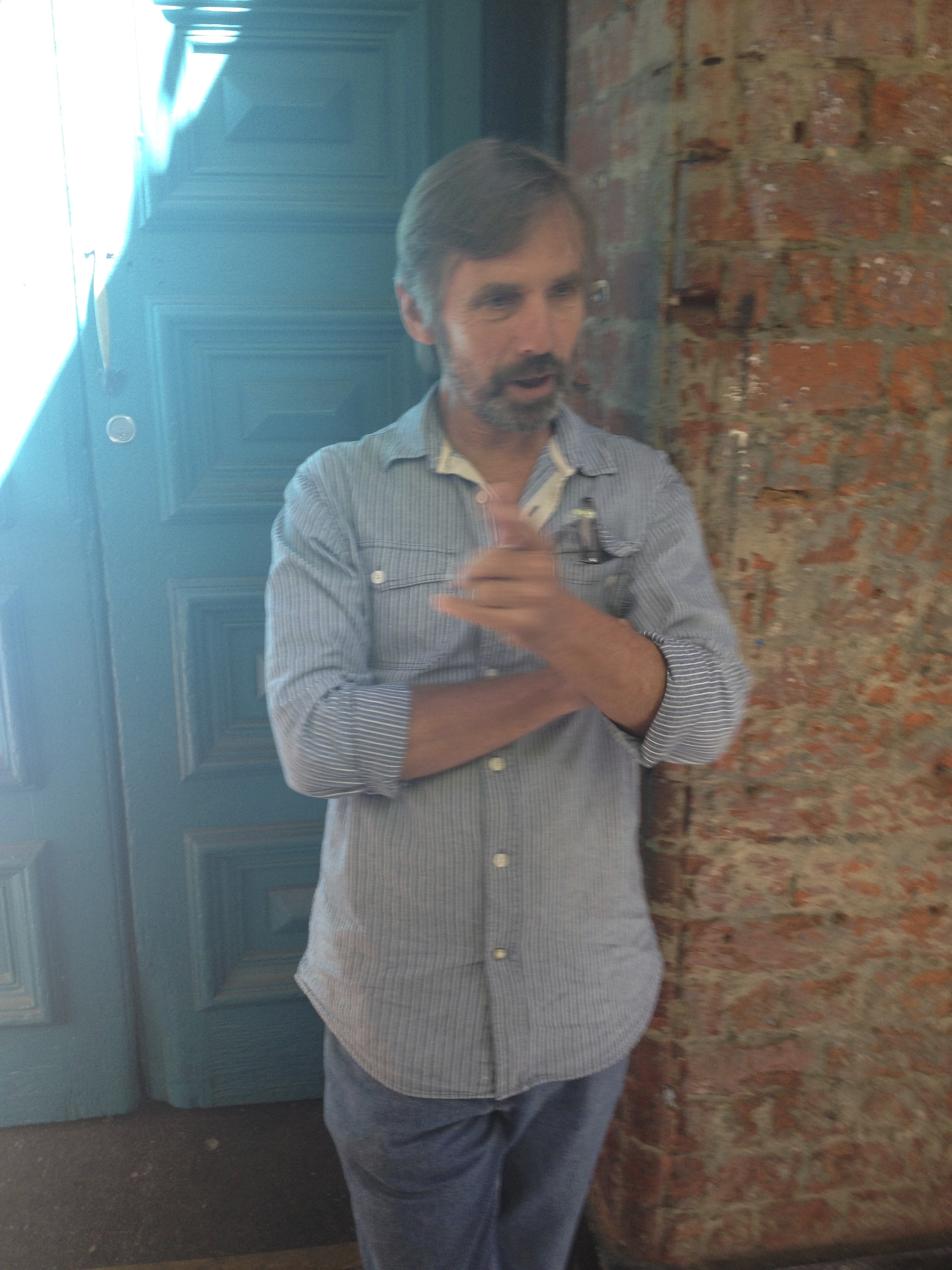
Bruce Magilton
- Get in close to the subject to take a photo (unless you need a background, you can take the “clutter” out).
- Never be late and always keep your phone with you – smartphones are great for taking photos.
- Warm up, adapt and try to grab the attention of the subject.
- Be careful of lighting and shadows – the light should always be behind you.
- Make the picture tell a story.
- Don’t be afraid to take the subject outside to take a photo.
- Ask the subject to lift their chin up.
- Ask the subject to write down their name for you – this eliminates any chance of you spelling their name incorrectly.
- If you do end up working with a professional photographer, make sure you have a good relationship with them so you can watch and learn from them (and never introduce them to your interview subject as “my photographer”).
- The photographer should always drive to a job.
 Kristie Sullivan